Maintaining the health of your home’s plumbing system is crucial, and one of the most significant aspects of that maintenance involves the main sewer line. Over time, this vital conduit can become clogged or damaged, leading to serious plumbing problems. Understanding how to clean your main sewer line effectively can save you from costly repairs and ensure the smooth operation of your plumbing for years to come.
What is a Main Sewer Line?
The main sewer line is a large pipe that transports wastewater away from your home and into the municipal sewer system or a septic tank. This line is typically buried beneath the ground and connects various smaller drainage pipes from sinks, toilets, showers, and other fixtures in your household. Given its essential role in waste management, any obstruction or damage can lead to significant issues such as sewage backups or slow drains.
Common Causes of Clogs
Clogs in the main sewer line can arise from several sources. Tree roots are notorious for infiltrating pipes, particularly older ones made of clay or cast iron. Over time, these roots can grow into tiny cracks or joints in the pipeline, expanding and causing blockages. Additionally, grease buildup from cooking waste can accumulate in pipes over time; this is especially prevalent in kitchens where fats are often expert trenchless pipe repair washed down the sink. Other culprits include foreign objects inadvertently flushed down toilets and excessive toilet paper usage.
Signs You Need a Cleaning
Recognizing when your main sewer line needs cleaning is essential for preventing more severe plumbing issues. Some common indicators include:
- Slow Drains: If multiple drains in your home are slow to empty simultaneously, it may signal a clog in the main line. Backups: Water backing up into sinks or bathtubs is a clear sign that something is obstructing flow within your sewer line. Unpleasant Odors: Foul smells emanating from drains often indicate sewage buildup due to clogs. Gurgling Noises: Unusual sounds coming from drains could suggest air trapped behind a blockage. Lush Patches of Grass: If you notice unusually green patches on your lawn above where the sewer line runs, it may be leaking wastewater due to breaks in the pipe.
The Importance of Regular Maintenance
Regular maintenance of your main sewer line cannot be overstated. Scheduling routine inspections with a licensed plumber helps catch potential issues before they escalate into costly repairs. A professional will use specialized equipment like video cameras to inspect the inside of pipes, identifying problems such as cracks, corrosion, or root intrusion. Establishing a consistent maintenance schedule not only extends the life of your plumbing infrastructure but also provides peace of mind.
The Cleaning Process
Cleaning a main sewer line typically involves several steps which may vary based on individual circumstances and plumber preferences.
Initial Inspection
Before diving into cleaning methods, an experienced plumber will assess the situation through an inspection. They often utilize video technology to visualize clogs or damage within the pipe. This step allows them to determine whether cleaning will suffice or if more extensive repairs like pipe replacement or trenchless repairs are necessary.
Hydro Jetting
One effective method for clearing stubborn blockages is hydro jetting — a process that uses high-pressure water streams to dislodge debris and buildup inside pipes. This technique is highly effective against grease clogs and tree root obstructions without damaging existing pipes when performed by trained professionals.
Snaking
Another common method for clearing out debris involves using a drain snake — a long flexible tool designed to reach deep into pipes. The snake breaks up clogs by either pulling them out or pushing them further down the line toward municipal drainage systems.
Chemical Cleaners
While chemical cleaners can provide quick solutions for minor clogs within household drains, they should be used sparingly on main lines due to potential damage over time. Many chemicals contain harsh substances that can corrode older piping materials.
Preventative Measures
After successful cleaning, it’s wise to discuss preventative measures with your plumber. Simple practices such as installing drain screens can prevent larger debris from entering your pipelines while being mindful about what goes down toilets (avoid flushing non-biodegradable items).
DIY vs Professional Services
While some homeowners might consider tackling drain cleaning themselves using store-bought products or tools like plungers and snakes, opting for professional services has distinct advantages. Licensed plumbers have access to advanced technology like hydro jetting equipment and video cameras for thorough inspections — tools not typically available at local hardware stores.
Additionally, professionals bring experience that enables them not only to fix existing problems but also anticipate potential future issues based on their assessments during routine visits.
Cost Considerations
The cost associated with main sewer line cleaning varies depending on factors including local labor rates and severity of blockages encountered during inspection processes. Generally speaking:
- Basic snaking services range from $100-$250. Hydro jetting might cost between $300-$500. Full inspections using advanced video equipment typically add another $150-$300 depending on accessibility challenges present at job sites.
Investing in regular maintenance pays off significantly when considering potential damages caused by untreated blockages which could lead upwards costs exceeding thousands—especially if structural repairs become necessary as result thereof.
Emergency Situations
In instances where immediate action becomes necessary—such as experiencing sewage backups—it’s crucial homeowners know how best respond quickly while awaiting assistance from emergency plumbing services available 24/7 throughout many regions today!
When faced with an urgent situation where sewage begins spilling onto floors within homes—immediate measures must include:
1) Shutting off water supply valves connected appliances (toilets/sinks). 2) Avoiding contact with contaminated areas until professionals arrive equipped handle cleanup safely. 3) Documenting damage thoroughly via photographs should claims need processing later on insurance policies covering incidents arising these nature!
Having reliable contacts handy beforehand ensures swift resolution during stressful scenarios involving unexpected emergencies requiring prompt attention!
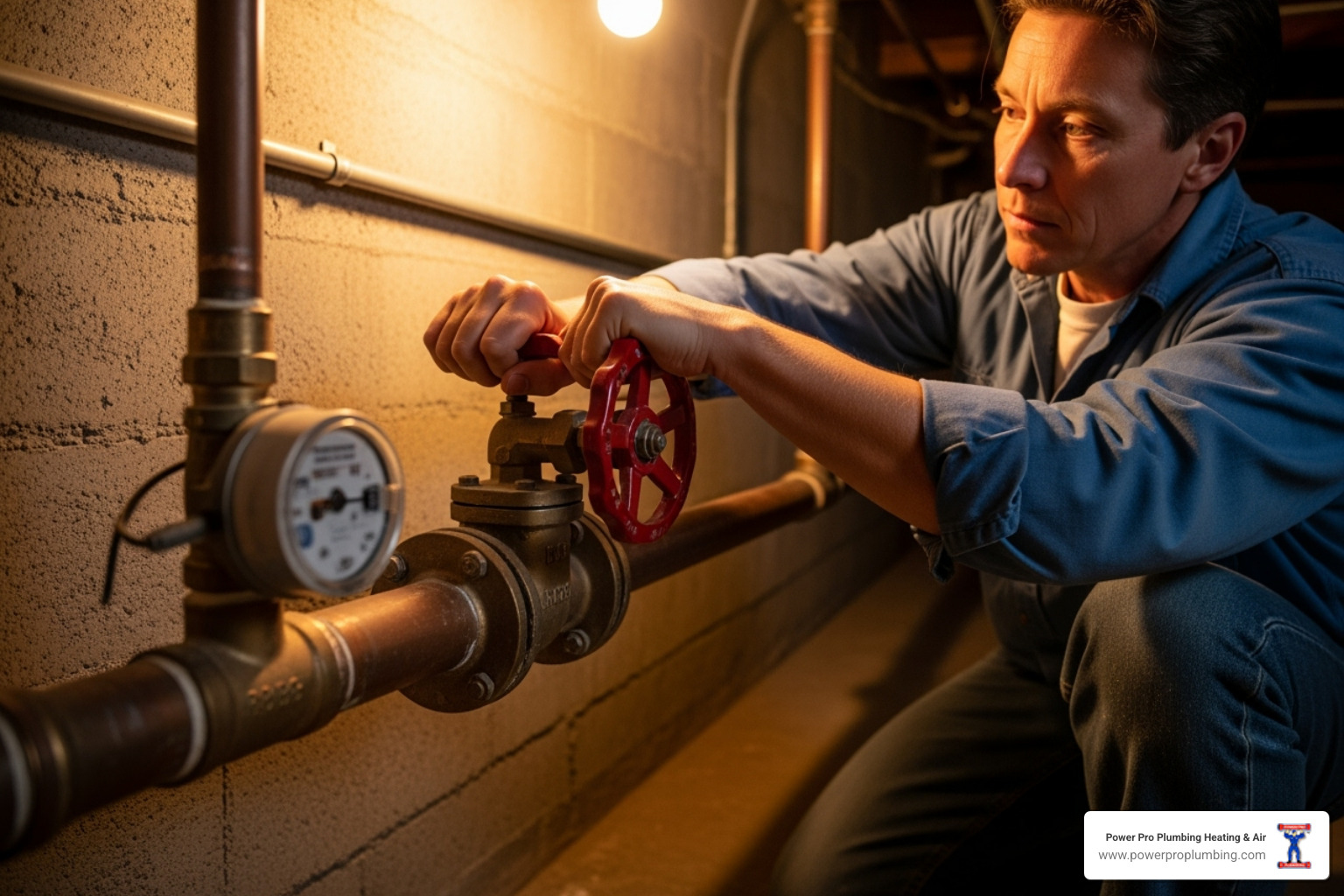
By maintaining awareness about proper care techniques surrounding main sewer lines—including recognizing signs indicating need cleanings—you’ll reduce likelihood expensive repairs while safeguarding health overall environment surrounding residence itself!
Choosing Your Plumbing Partner
Selecting skilled plumbers for routine maintenance requires careful consideration given multitude choices available market today! Look out licensed professionals specializing both residential plumbing installations alongside comprehensive repair services offered round-the-clock access emergencies — ensuring they possess adequate credentials including insurance coverage protecting clients during every visit undertaken their premises!
Seek recommendations friends family members who’ve utilized similar services previously; online reviews also provide valuable insights regarding reliability customer satisfaction levels achieved past interactions experienced clientele base served thereby establishing trustworthiness necessary forging lasting partnerships towards maintaining optimal conditions throughout entire plumbing infrastructures extended across households everywhere!