Clogs in the plumbing system can be a significant inconvenience, leading to unpleasant odors, slow drains, or even major backups that require immediate attention. For homeowners, understanding the common causes of clogs is essential for prevention and maintenance. This not only saves money but also helps maintain a functional and hygienic living environment.
Understanding Clogs
Clogs occur when substances accumulate in pipes, preventing water from flowing freely. While many people associate clogs with kitchen sinks or bathroom drains, they can happen anywhere in a home's plumbing system. The causes can range from simple everyday habits to more serious issues related to the plumbing infrastructure itself.
Kitchen Clogs
In the kitchen, food particles are often the main culprits of clogs. People frequently wash grease, coffee grounds, and starchy foods down the drain without realizing their potential to cause problems. Grease can solidify as it cools, forming a sticky residue that traps other particles and creates blockages. Coffee grounds may seem small enough to flush away but can build up over time.
Another problem arises when homeowners use their garbage disposals incorrectly. Even though these units are designed to handle food waste, they cannot process fibrous materials like celery or potato peels effectively. These items can wrap around the blades or create dense clumps that hinder drainage.
Bathroom Clogs
Bathroom drains typically face different challenges. Hair is one of the most common contributors to blockages in shower and sink drains. Over time, strands of hair mix with soap scum and other residues, forming a thick mat that obstructs water flow.
Toothpaste https://thepleasantplumbermn.com/contact-us/ tubes and personal care products also contribute to bathroom clogs. Residues from these products can harden inside pipes, making it difficult for water to pass through smoothly. Flushing inappropriate items such as wipes or cotton balls further exacerbates this issue.
Main Sewer Line Clogs
While most homeowners focus on localized clogs within their homes, main sewer line blockages can pose serious risks. These issues often arise from tree roots infiltrating pipes or excessive buildup of materials that should not be flushed away.
Tree roots naturally seek moisture; thus, they may penetrate cracked or damaged sewer lines in search of water. Once inside, they create an environment for additional debris to collect and form substantial blockages.
Preventive Measures
Taking proactive steps toward clog prevention can save you both time and money by reducing the need for emergency plumbing services or extensive repairs. Here are some effective strategies:
Proper Waste Disposal: Be mindful of what goes down your drains. Use strainers in sinks and tubs to catch hair and large food particles before they enter your plumbing system.
Regular Maintenance: Schedule routine inspections with a licensed plumber who can identify potential issues early on—this includes checking for leaks or signs of wear in your pipes.
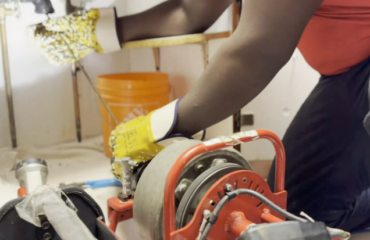
Educate Family Members: Ensure everyone in your household understands what should not be flushed down toilets or poured down sinks.
Use Enzymatic Cleaners: These biodegradable products help break down organic matter inside pipes without harming your plumbing system.
Avoid Chemical Drain Cleaners: While they may seem like quick fixes for minor clogs, chemical cleaners can damage pipes over time and lead to more significant issues.
Recognizing Warning Signs
Even with preventive measures in place, you might still encounter clog-related issues at some point. Being aware of early warning signs is crucial for addressing problems before they escalate.
Slow Draining Fixtures
If water takes longer than usual to drain from sinks or bathtubs, this indicates a potential blockage further down the line that requires attention.
Unpleasant Odors
Foul smells emanating from drains could signify rotting food or accumulating waste trapped within pipes—a clear sign that something is amiss.
Gurgling Sounds
Gurgling noises while running water may suggest air trapped due to an obstruction somewhere in your plumbing system.
When to Call a Professional Plumber
Certain situations warrant contacting a professional plumber immediately rather than attempting DIY solutions:
- Persistent drain issues despite regular cleaning efforts Multiple fixtures experiencing drainage problems simultaneously Signs of sewage backup within your home Visible leaks around piping systems or under sinks Cracked walls or flooring due to plumbing issues
In these cases, consulting an experienced plumber ensures proper diagnosis and timely repair actions before the situation worsens.
The Importance of Regular Maintenance
Investing in regular maintenance services is one way homeowners can safeguard their property against costly repairs caused by clogged pipes later on down the road.
A licensed plumber will conduct thorough inspections using advanced diagnostic tools such as video hot water tank installation camera inspections that allow them to visualize any underlying plumbing concerns without invasive procedures like digging trenches through yards just to locate problematic areas within lines themselves!
Furthermore, they offer valuable advice tailored specifically towards maintaining healthy systems based upon individual needs—be it through trenchless pipe repairs if necessary—which minimizes disruption while maximizing efficiency throughout homes’ infrastructures alike!
The best part? Many reputable plumbers provide 24/7 emergency services so you never have worry about waiting long periods during crises involving serious backups resulting from unforeseen circumstances beyond control!
Conclusion: A Proactive Approach Pays Off
By understanding common causes of clogs along with implementing preventative measures proactively—from practicing responsible waste disposal habits all way up scheduling routine maintenance checks—you’ll find yourself less stressed over unexpected emergencies arising out nowhere! Investing time upfront today pays off significantly tomorrow when enjoying peace mind knowing everything flows smoothly throughout home’s entire plumbing network effortlessly!
By prioritizing awareness surrounding these topics—considering factors contributing clogs while seeking assistance whenever needed—you’ll appreciate greater control over ensuring longevity functionality residential plumbing systems overall!